When Removal Comes Full Circle
There are stories that do not end.
They wait.
They sit in the dust.
They sit in the walls.
They sit in the hands of the next generation until someone finally says: this happened before.
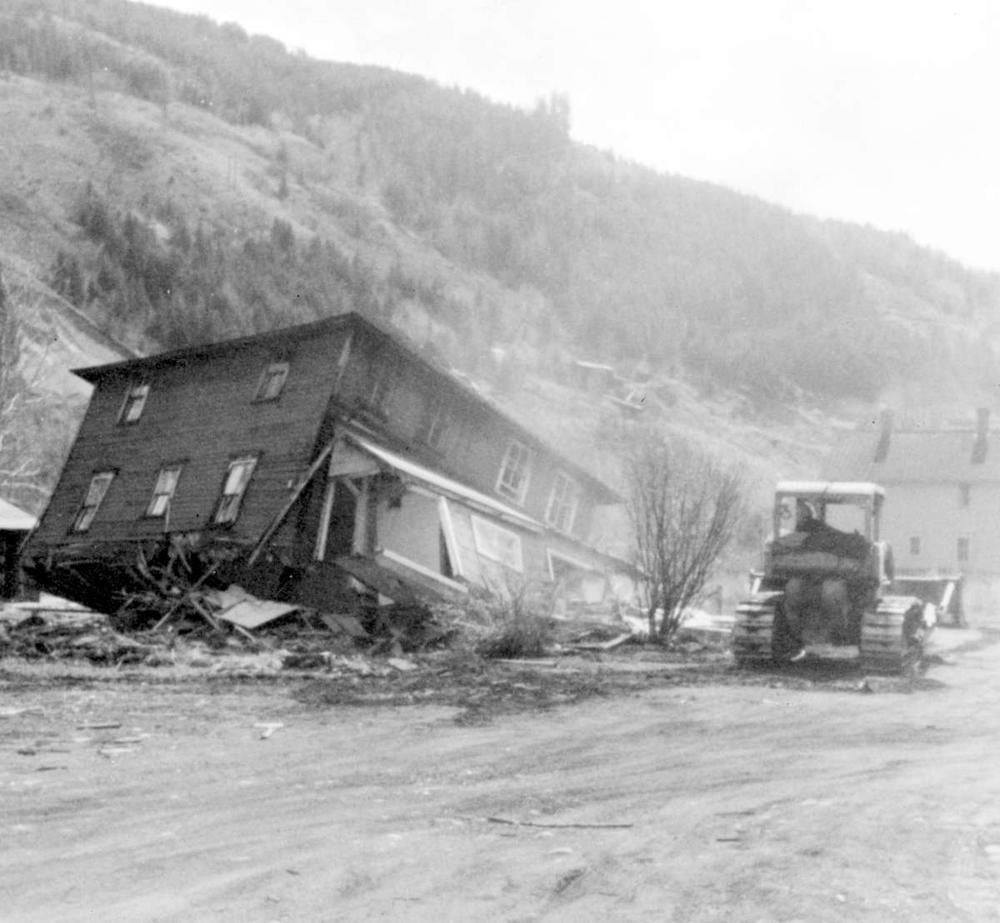
I was born from a town that was removed.
Michel-Natal was not just a place on a map. It was a coal town. A working town. A family town. A town of miners, immigrants, children, kitchens, churches, roads, songs, gardens, grief, and survival. It was the place that shaped my people and my life’s work.
Then, in the 1960s, the town was dismantled and moved out of memory.
Homes disappeared. Streets disappeared. The physical evidence of a community was broken apart. People were expected to leave, adapt, be quiet, and carry on. But removal does not erase memory. It only drives it deeper.
My family had already known another kind of removal before that.
My grandparents’ property and dignity were taken through the internment of Ukrainians and other Eastern Europeans in Canada during the First World War era. They were treated as people who did not belong, even while their labour helped build this country. Their land, their work, their names, and their place in the Canadian story were damaged by systems that had the power to decide who mattered and who could be erased.
That history lived in my family.
It lived in the silence.
It lived in the coal dust.
It lived in the hands.
And maybe that is why I became a muralist.
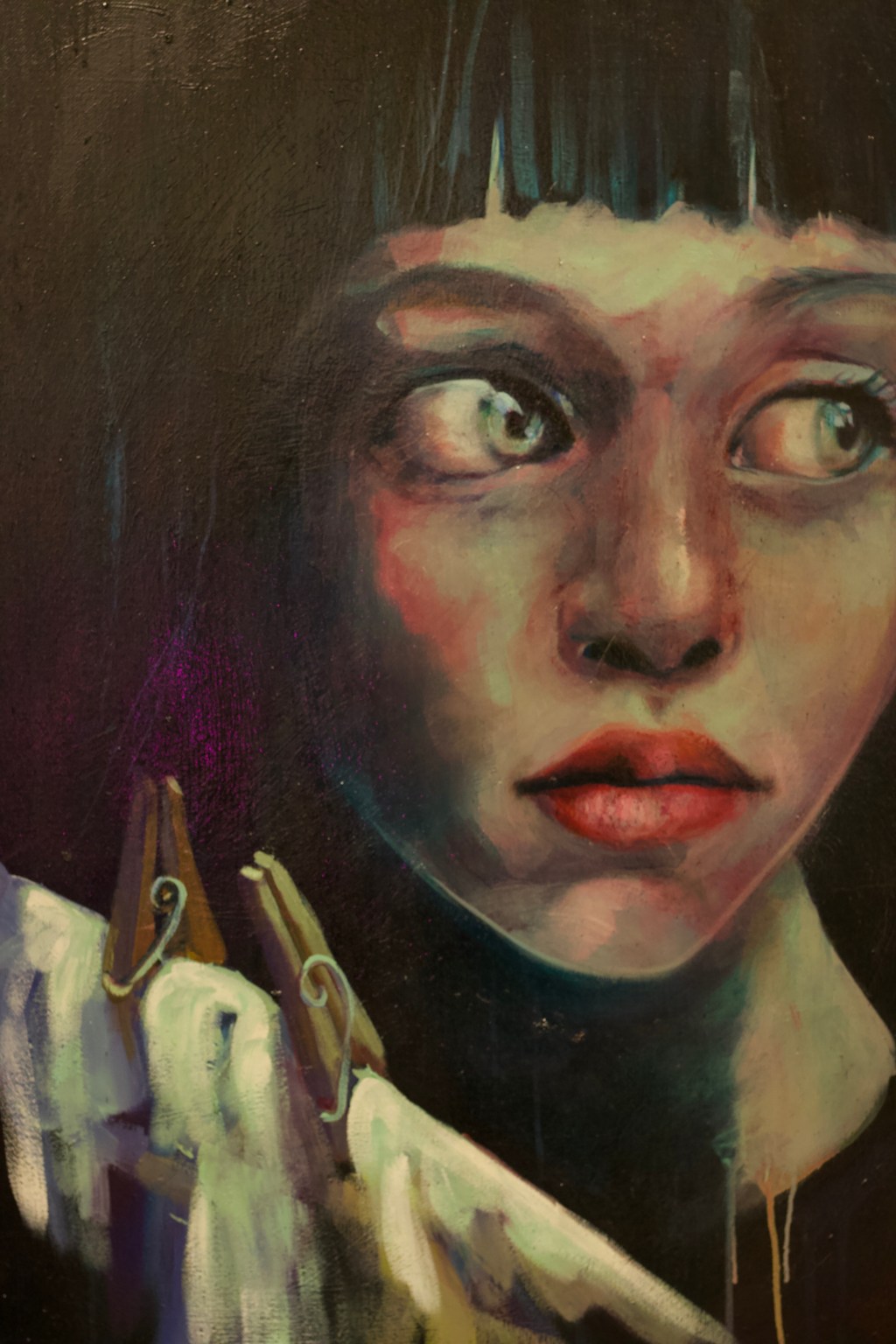
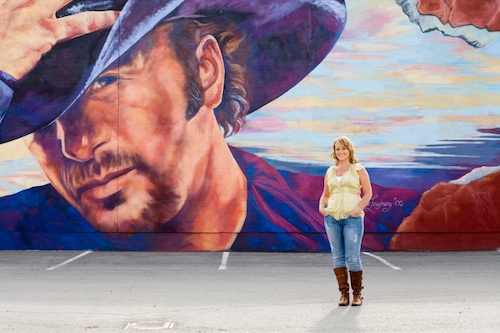
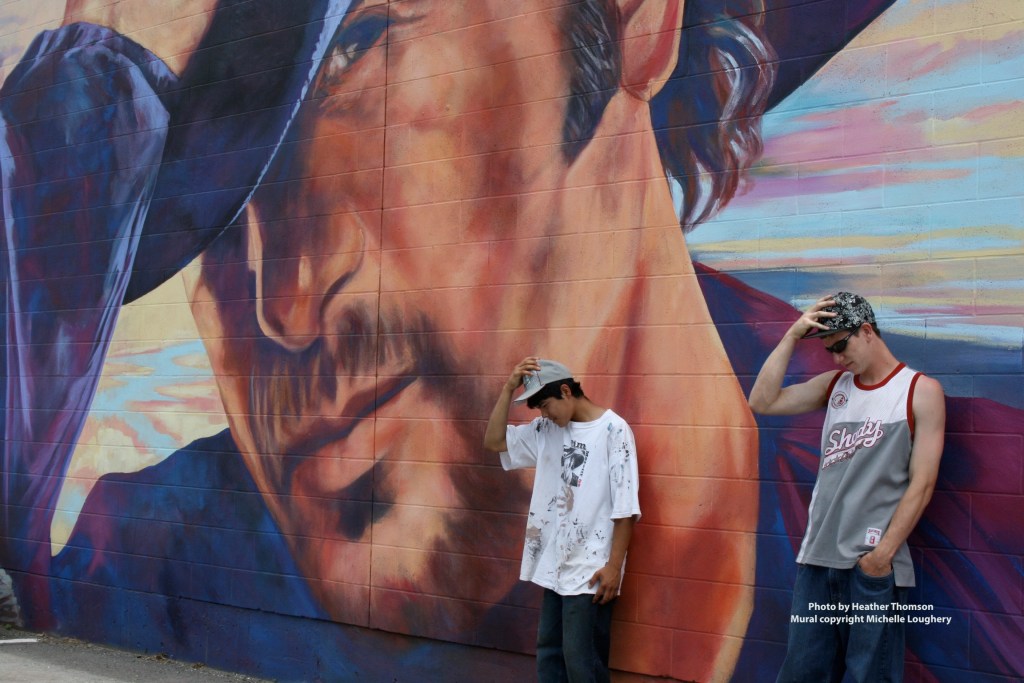
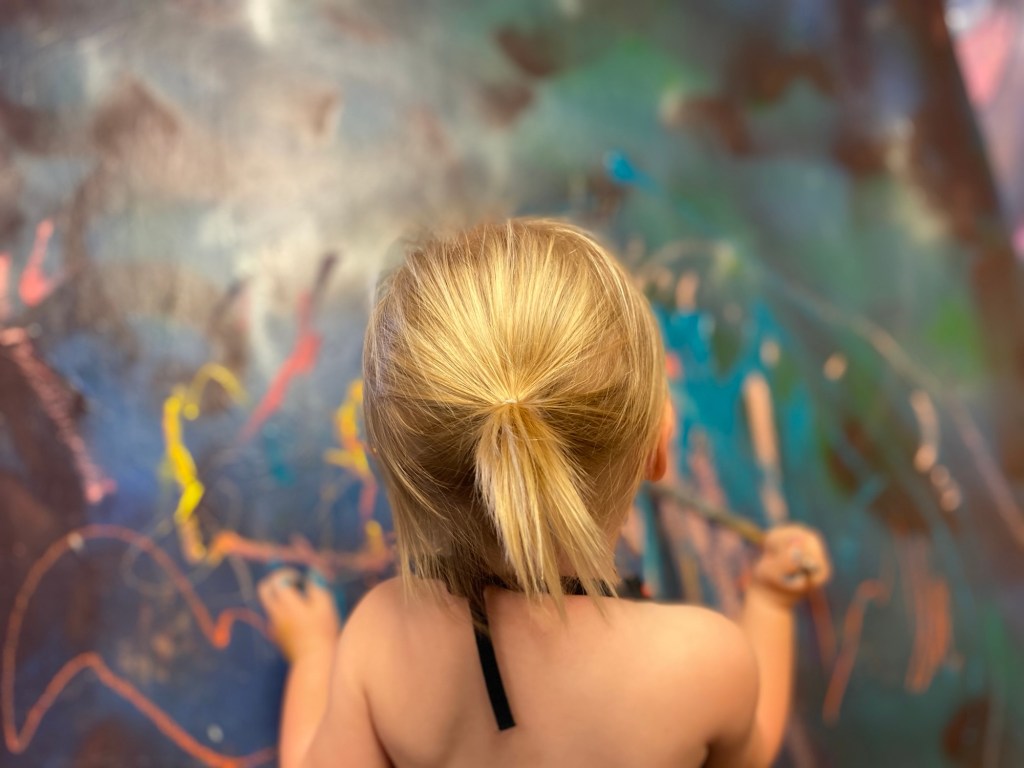
I did not paint walls just to decorate towns. I painted walls because walls remember. I painted because public memory matters. I painted because working people, immigrant families, miners, women, youth, elders, and forgotten communities deserve to be seen in the places they helped build.
The mural trail was never just a tourism product.
It was a living archive.
It was a public classroom.
It was youth training.
It was heritage work.
It was community labour.
It was cultural infrastructure built one brushstroke at a time.
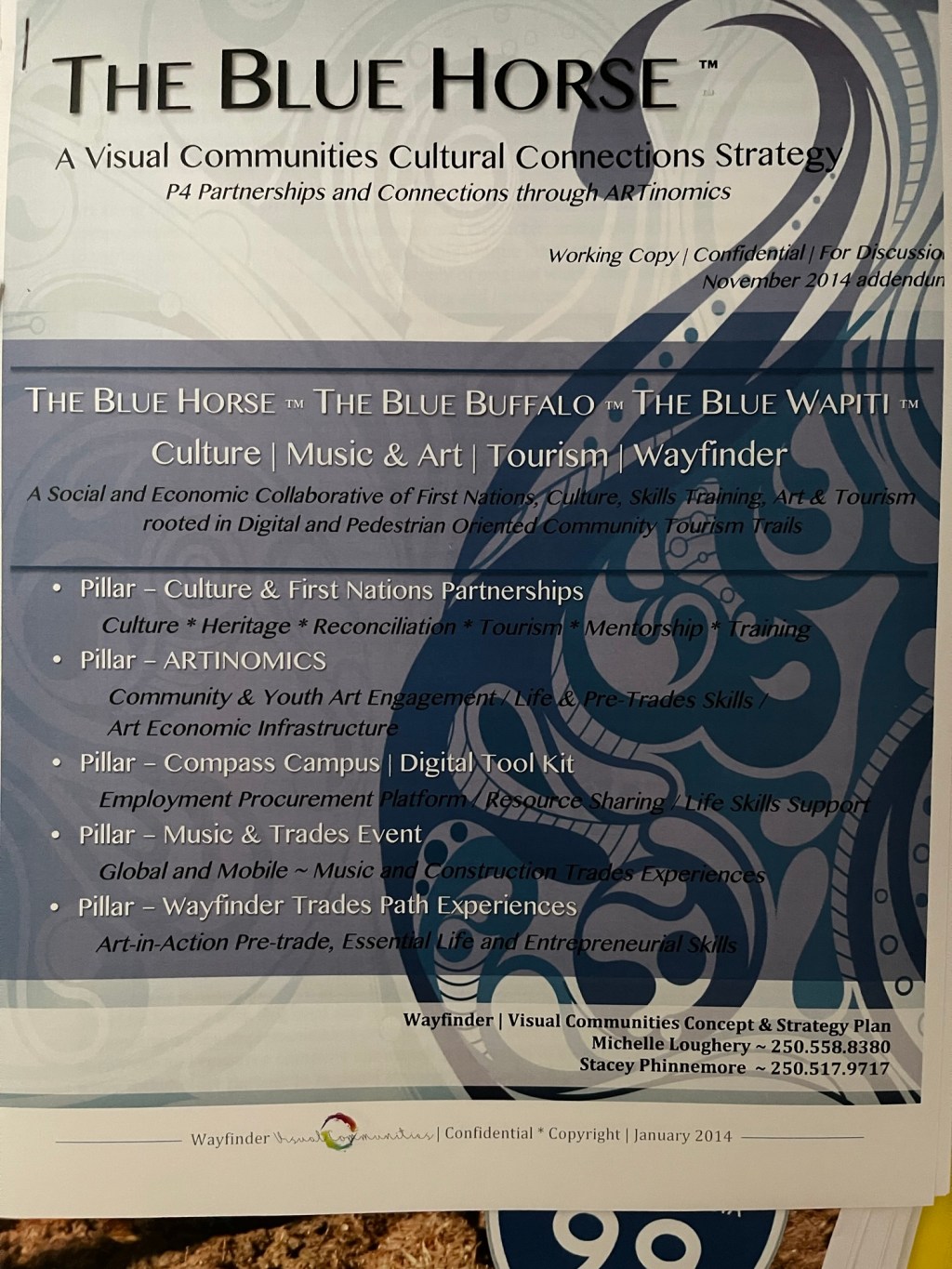
For decades, I carried the stories of coal towns, internment, immigration, road trips, youth programs, elders, service clubs, small businesses, and communities across Canada and beyond. I built murals not as isolated paintings, but as a route — a wayfinder system of memory. A way for people to walk through history instead of losing it.
Now, after a lifetime of building that trail, I am watching another removal happen.
This time, it is not my town being dismantled.
It is my mural trail.
It is my name.
It is my authorship.
It is my work being altered, erased, repurposed, neglected, or absorbed into systems that did not create it.
And that is why this moment feels like history coming full circle.
Because removal does not always look like a bulldozer.
Sometimes removal looks like a mural being changed without the artist.
Sometimes it looks like heritage being used without proper stewardship.
Sometimes it looks like public art being folded into policies, tourism plans, cultural plans, grant applications, and institutional stories without the person who built the work being included.
Sometimes it looks like a community legacy being treated as an asset while the artist, the youth, the elders, and the original intent are pushed aside.
I know this pattern.
My family knew it too.
First, they remove the people.
Then they rename the story.
Then they use what is left.
That is why I cannot stay silent.
The mural trail was built from memory. It was built from the same dust that came from Michel-Natal, from internment, from coal hands, from immigrant survival, from roads, from loss, and from the stubborn belief that public history belongs to the people who lived it.
To see that work now being removed from its roots is not just a personal loss. It is a public-interest issue.
It asks a larger question:
Who gets to own community memory once it becomes valuable?
Who gets credit when an artist-built cultural route becomes a tourism asset?
Who protects the moral rights, stories, and cultural dignity attached to public art?
Who answers when the walls that were built to remember are themselves being erased?
This is not just about murals.
This is about memory.
This is about labour.
This is about cultural removal.
This is about what happens when the work of survivors is taken into systems that do not understand the cost of survival.
I come from a town that was removed.
I come from grandparents who knew what it meant to lose property, dignity, and place in Canada.
I come from coal dust and brushstrokes.
So when I say the forced removal of my mural trail feels like history coming full circle, I am not speaking in metaphor only. I am speaking from lived inheritance.
The walls taught communities how to remember.
Each of us became a brushstroke.
And I will not let those brushstrokes be taken out of the story.
Not again.




Leave a Reply